

Strategy | UX Design
Verizon Banking

Year: 2022
Client: Verizon
Role: UX Strategist, UX Designer
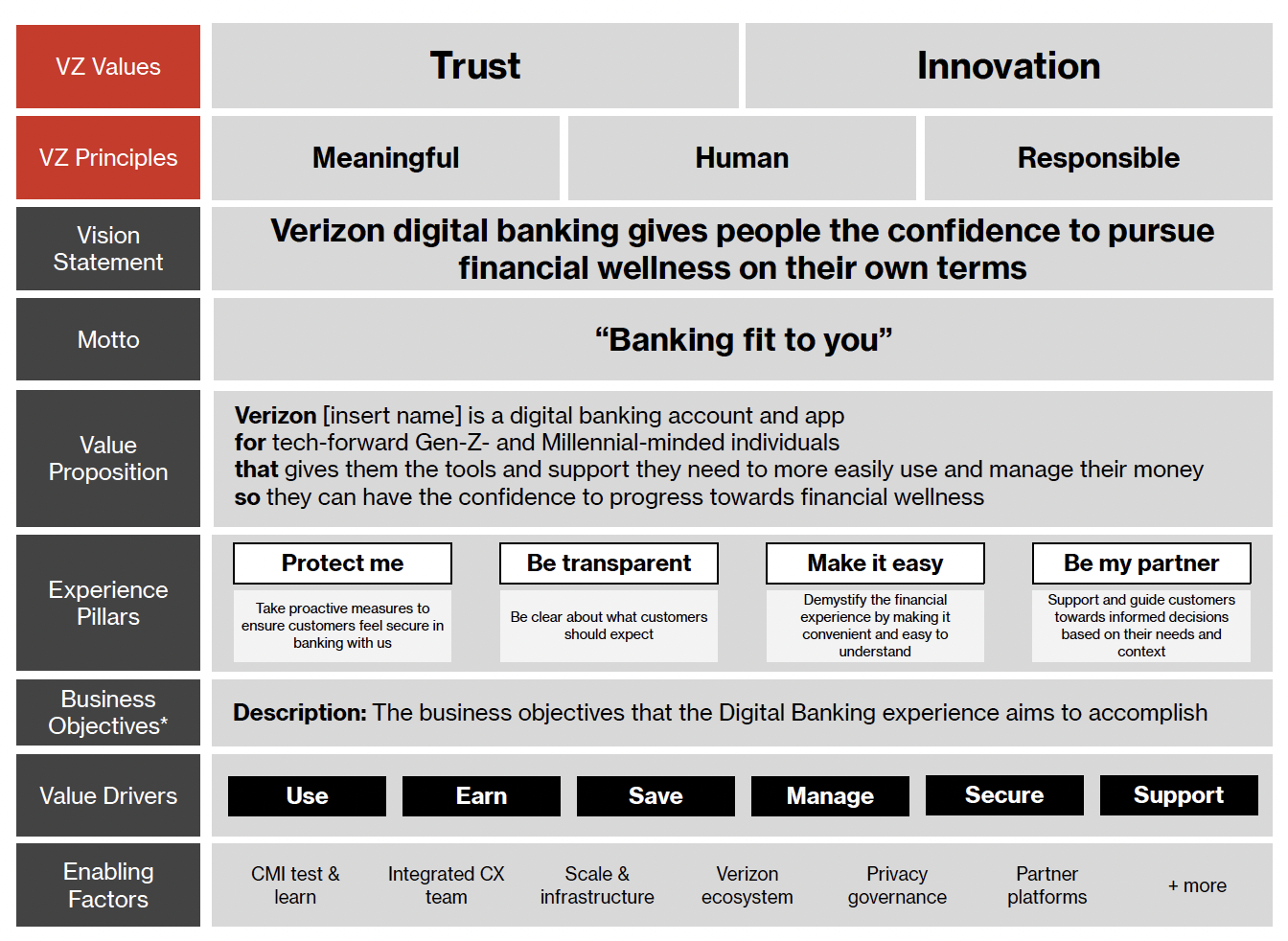
Challenge: The challenge was to redesign the Verizon: Next Banking App, to deliver a more intuitive and cohesive user experience across key financial activities such as Checking, Savings, and Credit Card pages. This required balancing user needs with business goals, leveraging insights from the existing Finn UX, and identifying opportunities for innovation while ensuring consistency across the app.
Situation:
The app’s existing design was fragmented and lacked a consistent approach to displaying account activities. Users faced difficulty navigating transactions, identifying key actions, and understanding their financial standing at a glance. Our objective was to refine and elevate the experience, ensuring that users could easily manage their finances, access critical information, and perform key tasks efficiently.
Task:
My responsibilities during the project
Conduct design research to analyze existing pain points and opportunities for improvement.
Develop a cohesive strategy for redesigning the Checking, Savings, and Credit Card Activity pages.
Implement user testing to validate concepts and ensure the redesign addressed user needs.
Design a seamless and engaging UX that aligned with the app’s branding and goals.
Action:
Design Research:
Conducted a comprehensive audit of the current Finn UX to identify objects and interaction patterns across Checking, Savings, and Credit Card activity pages.
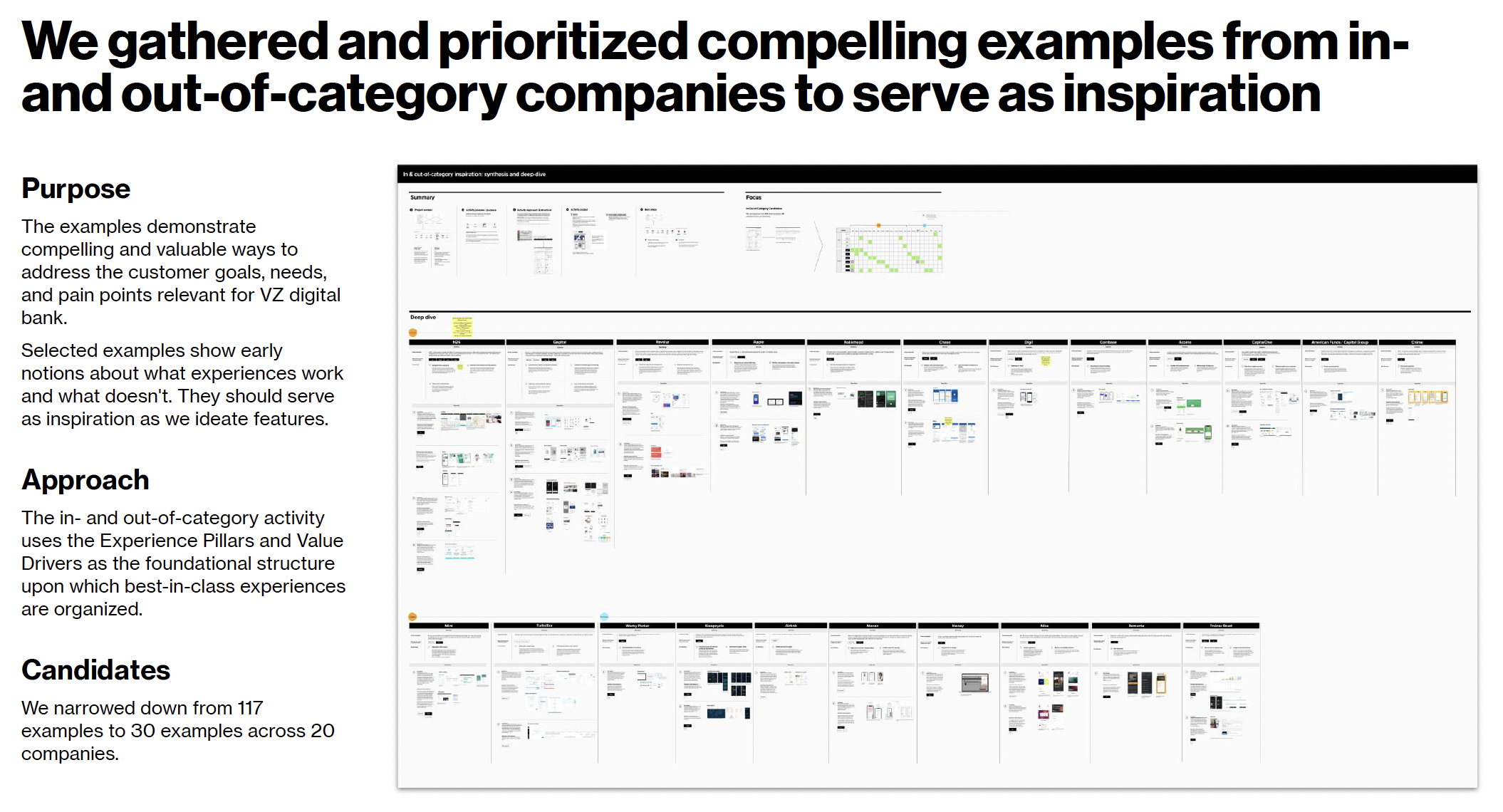
Performed competitive analysis to understand industry best practices for account activity pages and transaction displays.
Collaborated with stakeholders and users to pinpoint pain points, such as difficulty accessing past transactions and low visibility of key features.
User Testing:
Built rapid wireframes and prototypes to test potential layouts and solutions, such as adding tabs for Current and Past months and reordering the hierarchy to prioritize critical information.
Conducted usability testing sessions to gather feedback and refine designs based on user behavior and preferences.
Strategy:
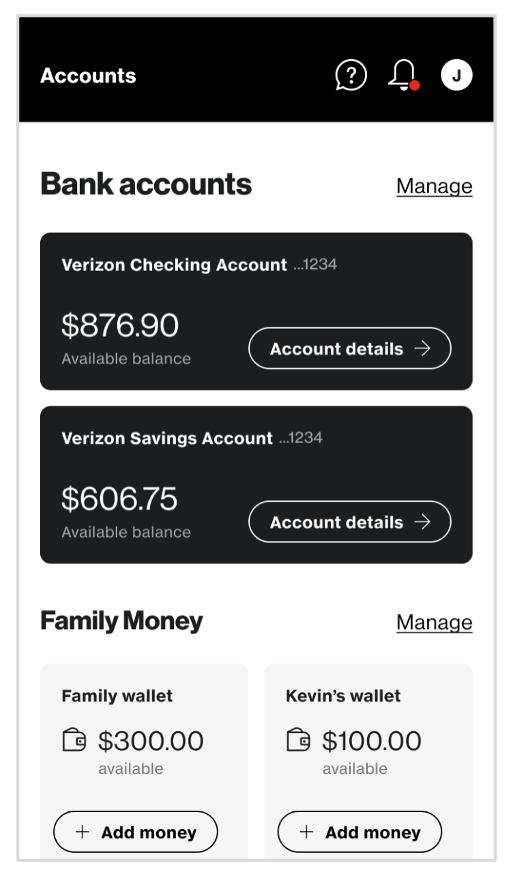
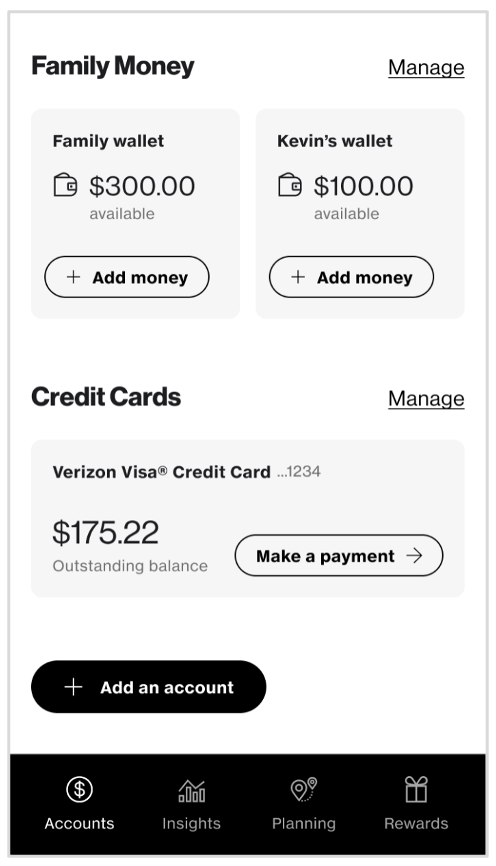
Developed a scalable design framework that standardized the layout and functionality of account activity pages, ensuring consistency across Checking, Savings, and Credit Card sections.
Introduced self-service actions, such as managing auto-pay and requesting help, to empower users and reduce friction in performing key tasks.
Focused on actionable insights to address opportunities, such as improving transaction visibility and enhancing navigation efficiency.
UX Design:
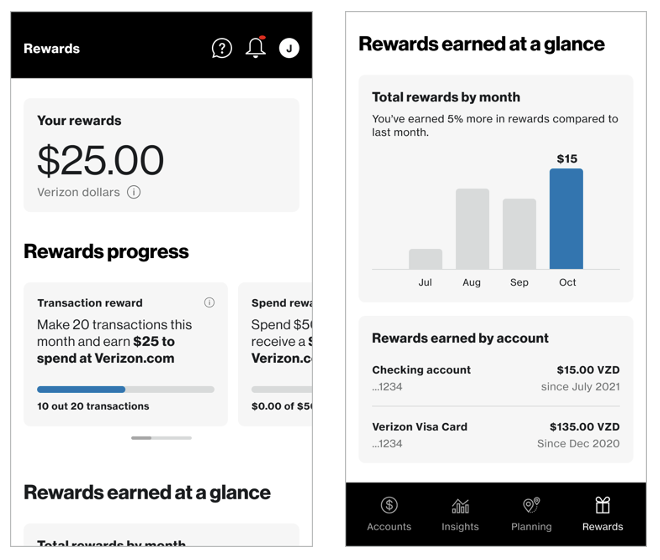
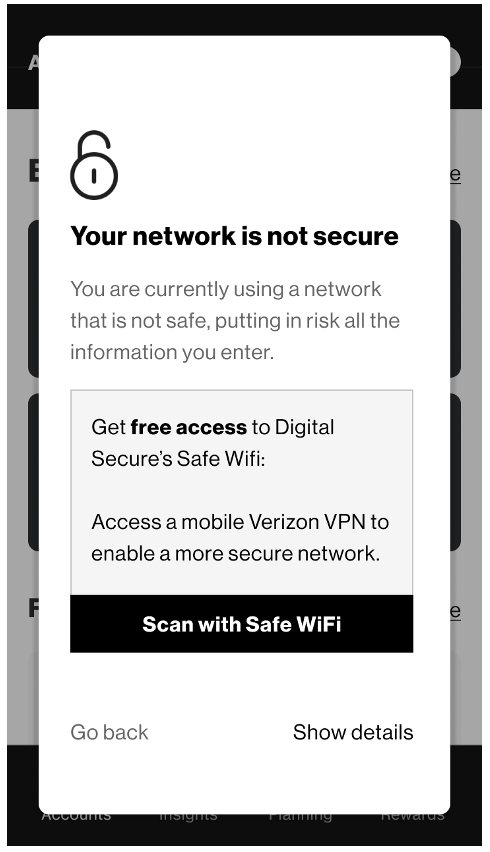
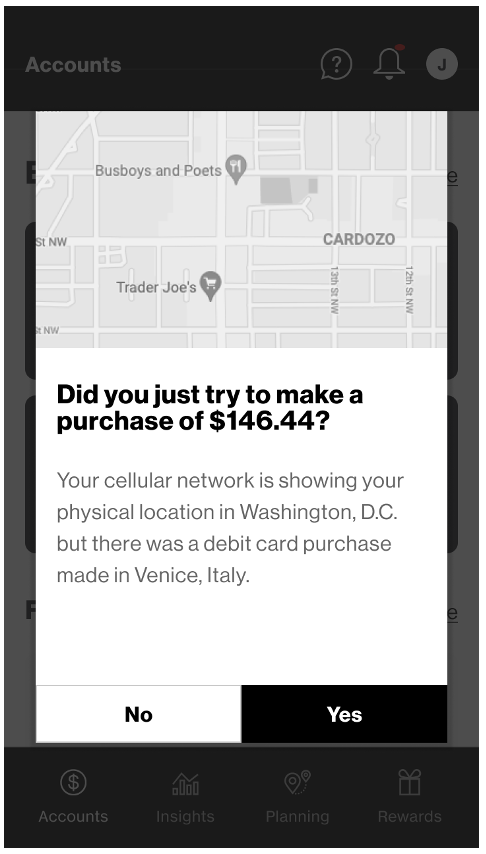
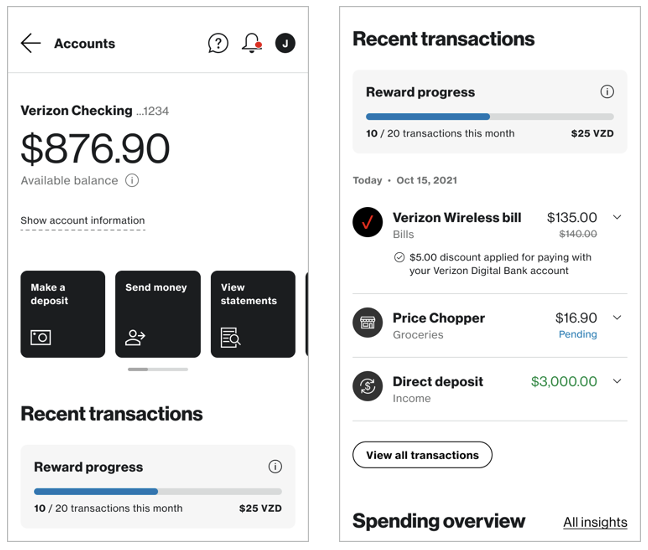
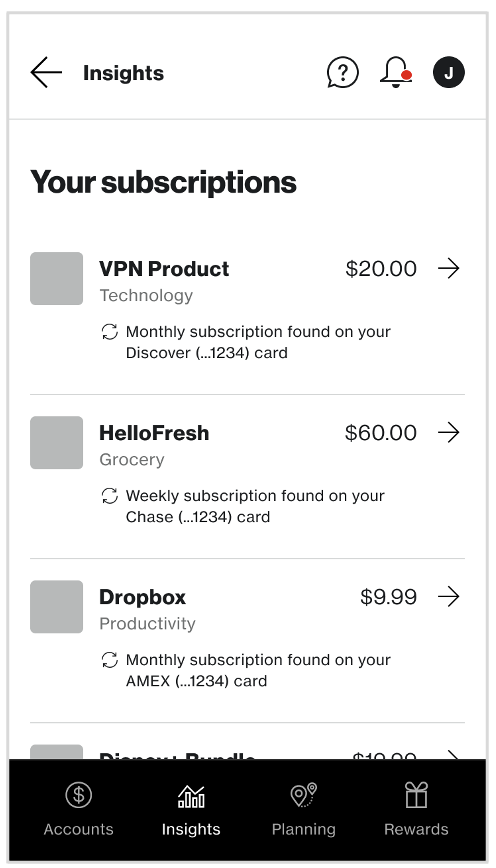
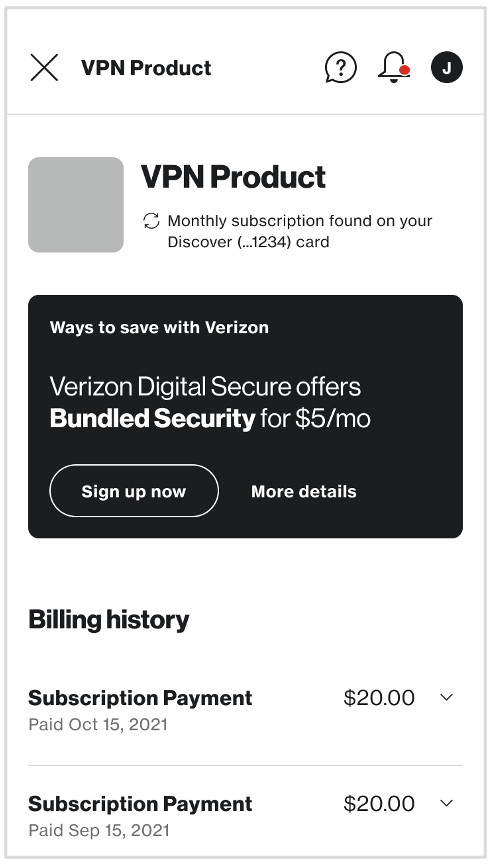
Redesigned the Checking, Savings, and Credit Card activity pages with a consistent structure, applying spacing and layout improvements for clarity and usability.
Implemented features such as filters, searchable transaction lists, and distinguishable transaction types (e.g., positive/negative transactions) to enhance functionality.
Elevated the transaction list by rethinking its hierarchy, introducing tabs for easier navigation, and incorporating visual enhancements like distinguishable colors and consistent cell heights.
Result:
Improved Usability: The redesigned activity pages offered a streamlined and consistent experience, making it easier for users to manage their finances across Checking, Savings, and Credit Card accounts.
Enhanced Navigation: Solutions like tabs for Current and Past months reduced scrolling and improved access to past transactions.
User Empowerment: The inclusion of self-service actions empowered users to perform tasks like setting up auto-pay or requesting help directly from the app, reducing dependency on support channels.
Scalable Framework: The standardized design framework provided a foundation for future updates, ensuring alignment across all account activity pages.
Next Steps: To build on these results, the team plans to continue refining the design through iterative testing and expand the app's features to further address user needs and business goals.