
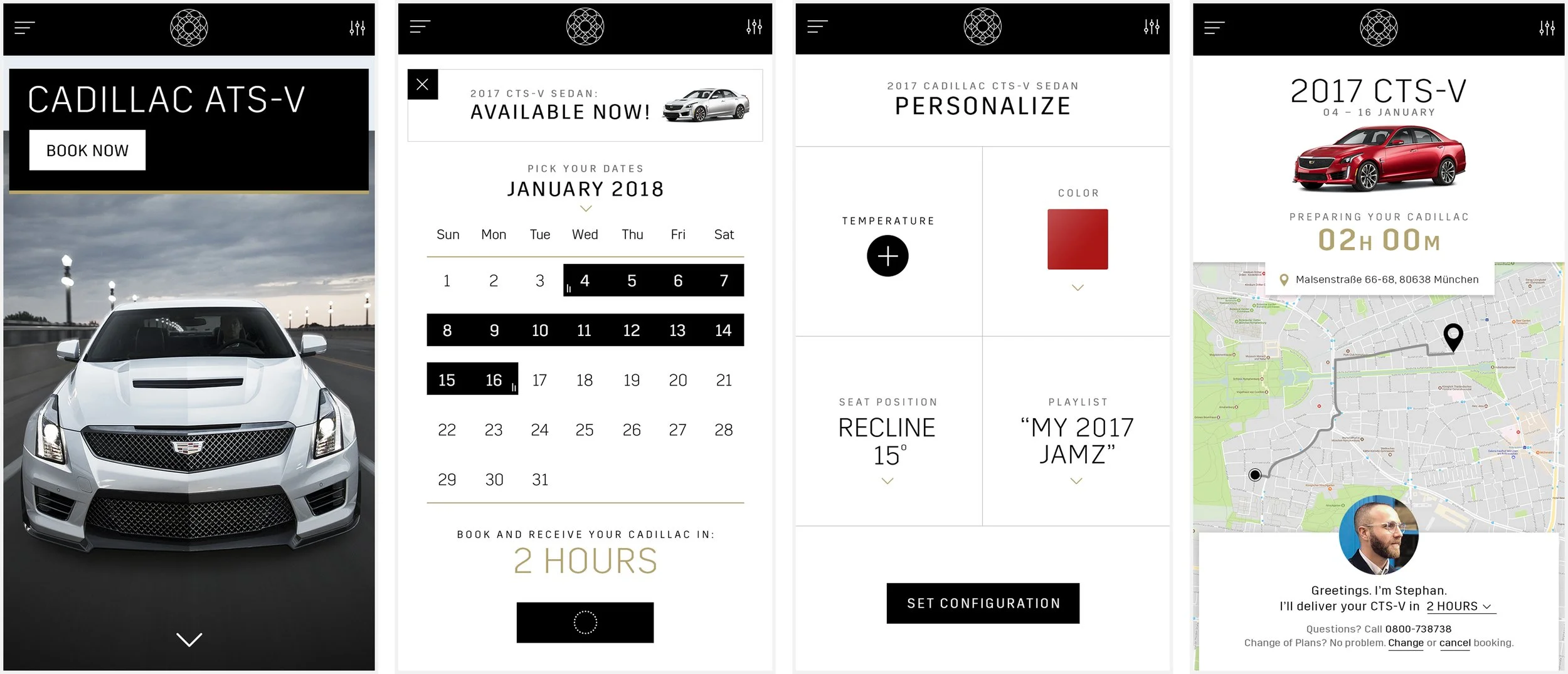
Designing a luxury vehicle subscription ecosystem that connected members, fleet operators, and Cadillac administrators through a single service experience.
BOOK by Cadillac
Role: Senior UX Designer
Challenge: Design a premium vehicle subscription platform that enables customers to seamlessly reserve, exchange, and manage luxury vehicles while supporting fleet operations and business administration.
Year: 2017/18
BOOK by Cadillac was one of Europe's earliest vehicle subscription services, allowing members to access multiple Cadillac models through a flexible monthly membership rather than traditional ownership.
The experience required more than a booking interface. It needed to coordinate customer reservations, concierge vehicle exchanges, fleet operations, and business administration while delivering the premium experience expected from the Cadillac brand.
I helped define and design the end-to-end service ecosystem, focusing on reservation management, operational workflows, information architecture, and customer experience across multiple user groups.
Situation:
Cadillac was preparing to launch a new subscription-based mobility service in Europe.
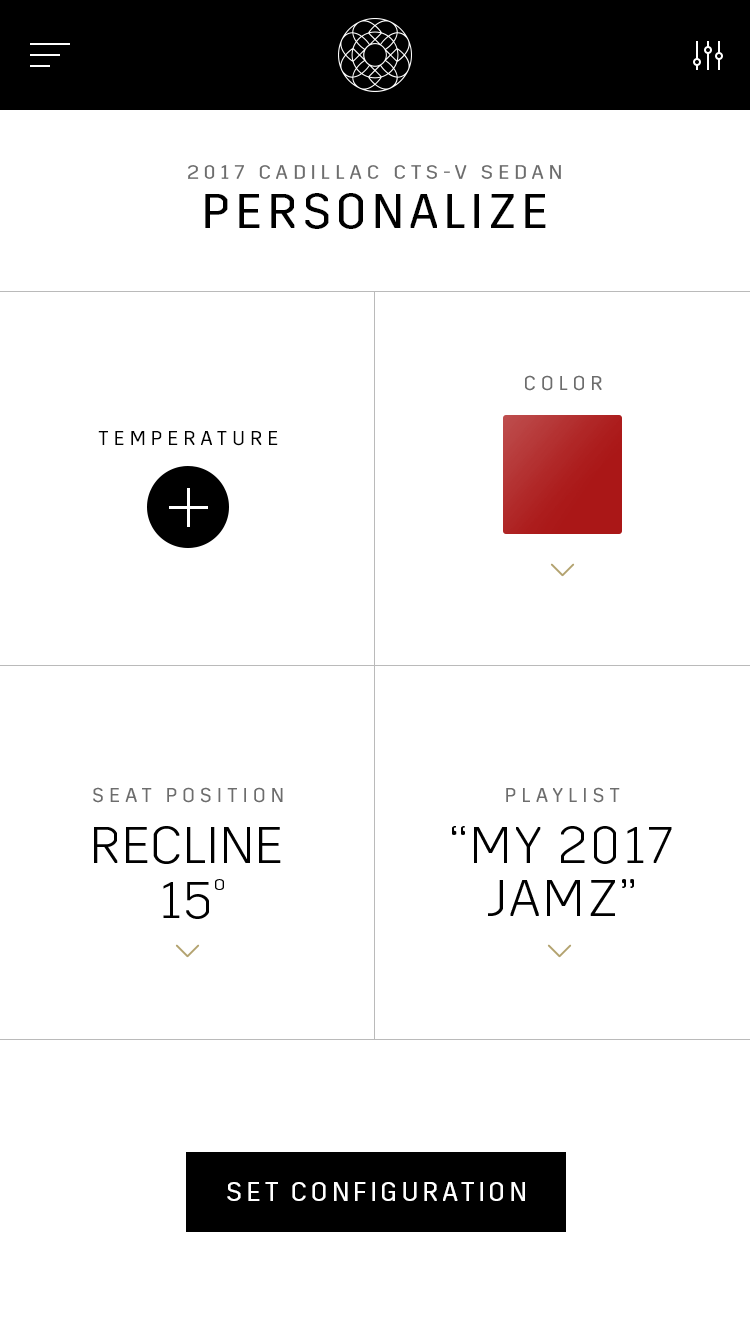
Members would be able to switch between luxury vehicles on demand, schedule deliveries, manage reservations, and interact with concierge services through a digital platform.
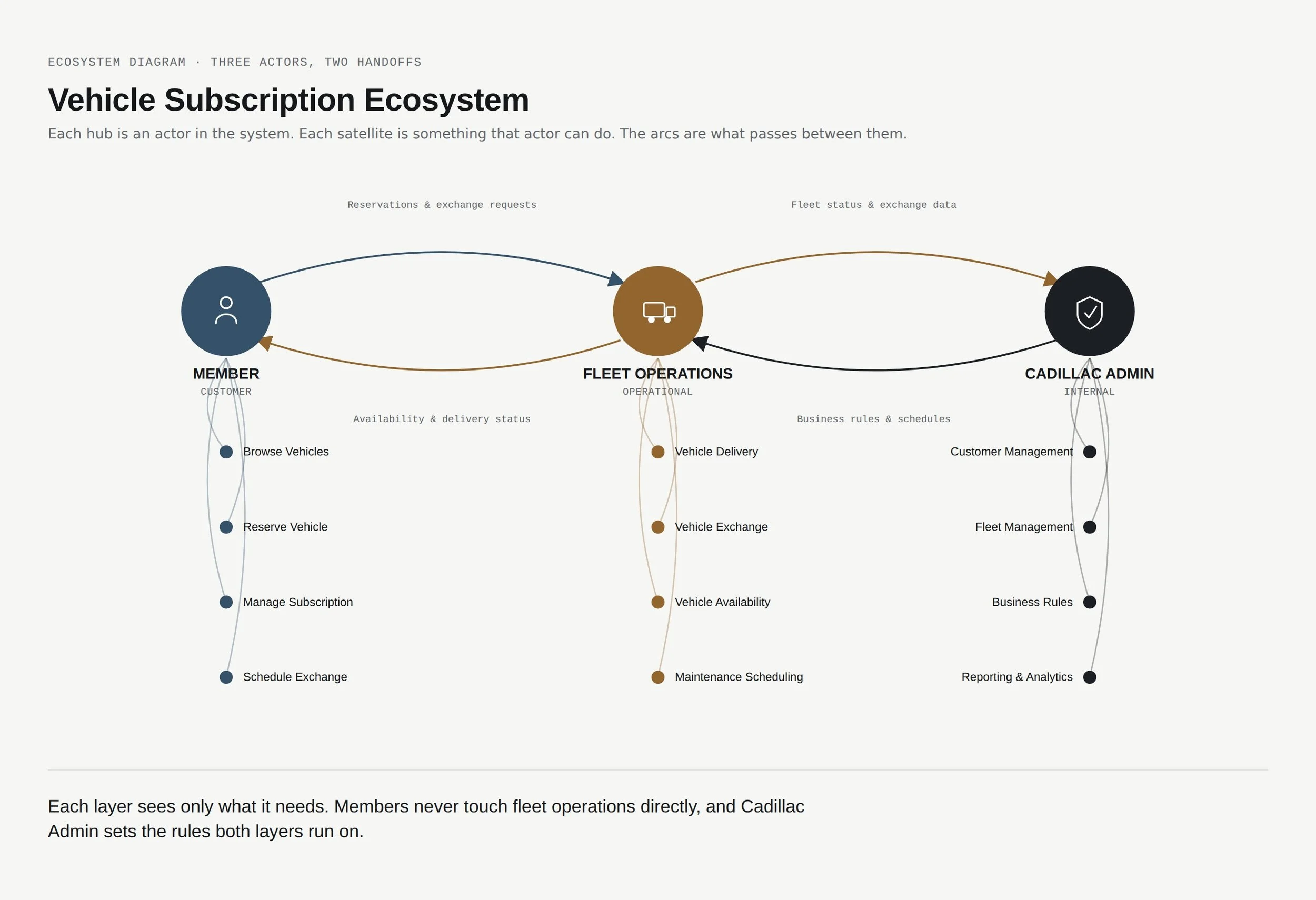
The challenge extended beyond customer-facing experiences. Fleet managers needed tools to coordinate deliveries and exchanges, while Cadillac administrators required systems to manage customers, vehicles, reporting, and business operations.
Success depended on creating a connected ecosystem that balanced customer convenience with operational efficiency.
Task:
Design a scalable service platform that:
Simplified luxury vehicle reservations
Supported vehicle exchanges and concierge delivery
Enabled fleet managers to coordinate operations efficiently
Provided Cadillac administrators with tools for customer, vehicle, and business management
while maintaining a premium brand experience.
Contrains:
• Aggressive launch timeline
• Multiple user groups
• Multi-market rollout
• Vehicle availability dependencies
• Complex reservation logic
• Operational constraints
Action:
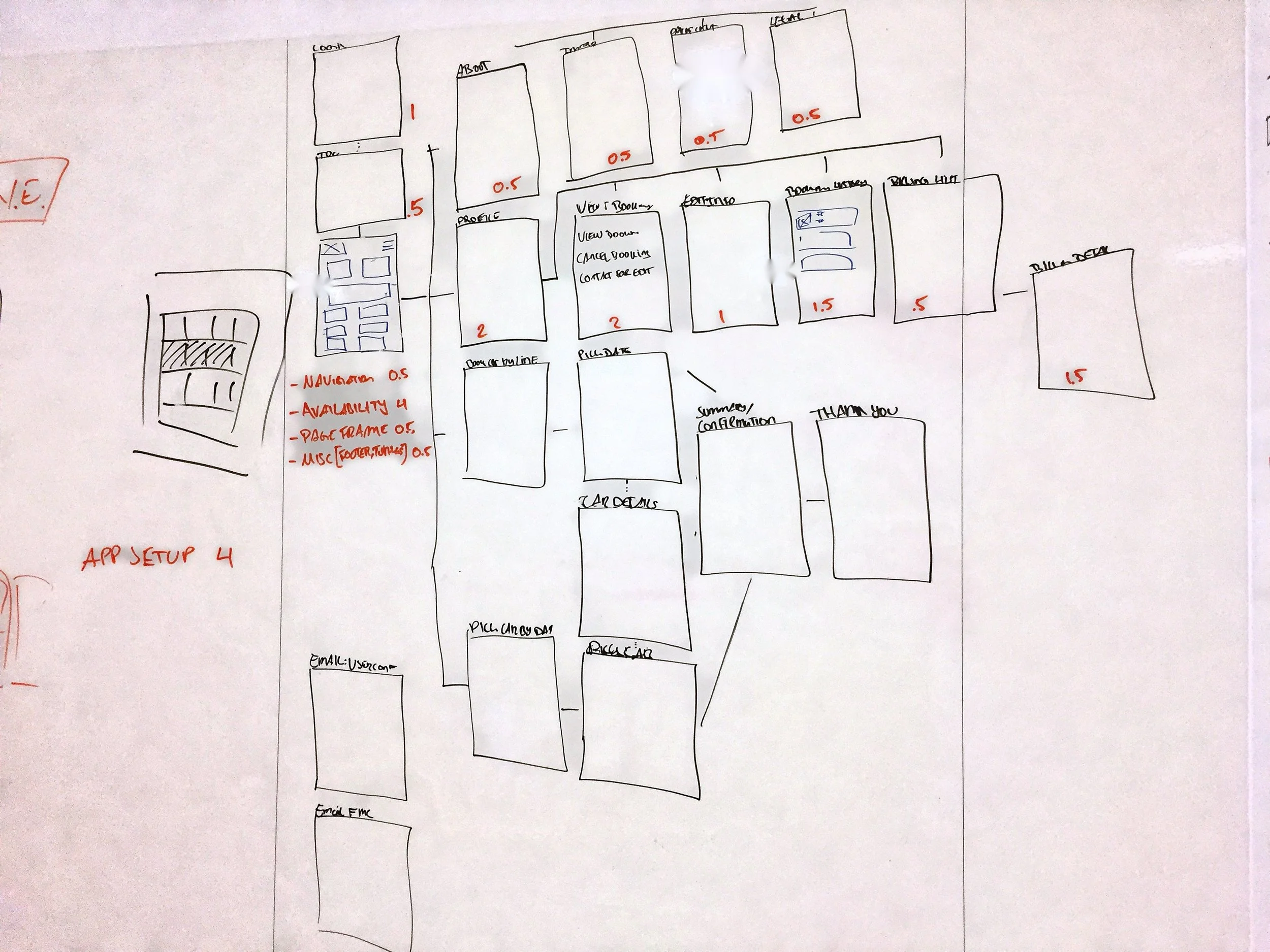
Action 1: Information Architecture & User Journeys
Defined the information architecture and core user journeys for the vehicle subscription experience. Mapped navigation, reservation flows, account management, vehicle discovery, and booking interactions to create a scalable foundation that balanced customer needs with operational requirements.
Action 2: Reservation Experience & Information Architecture
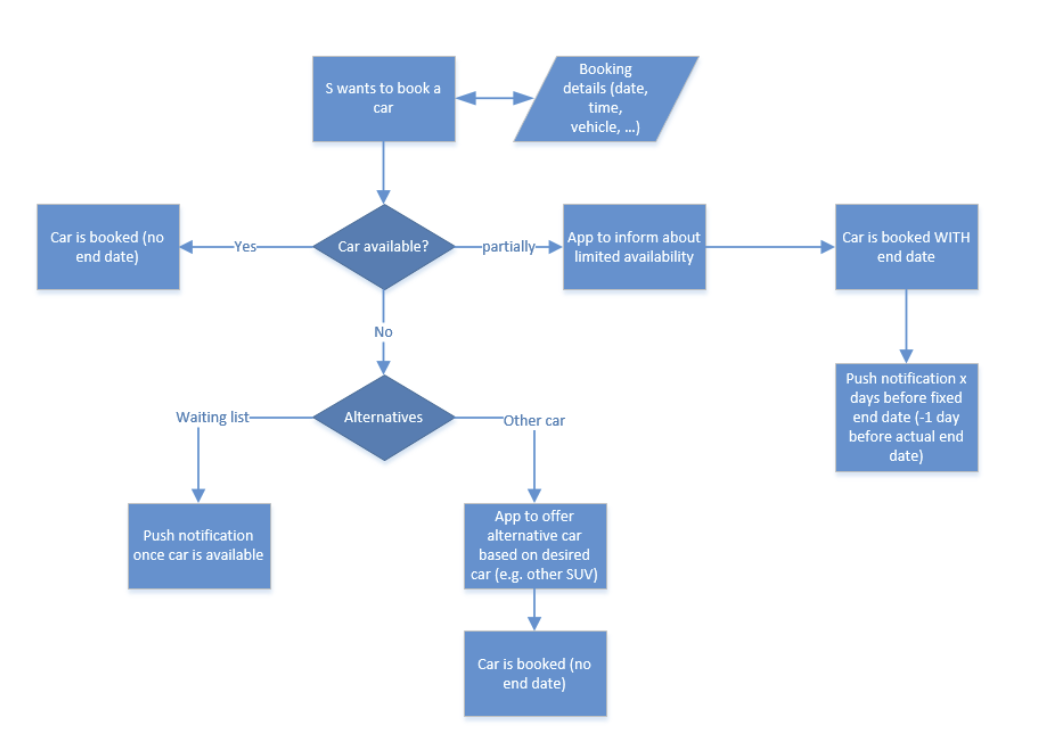
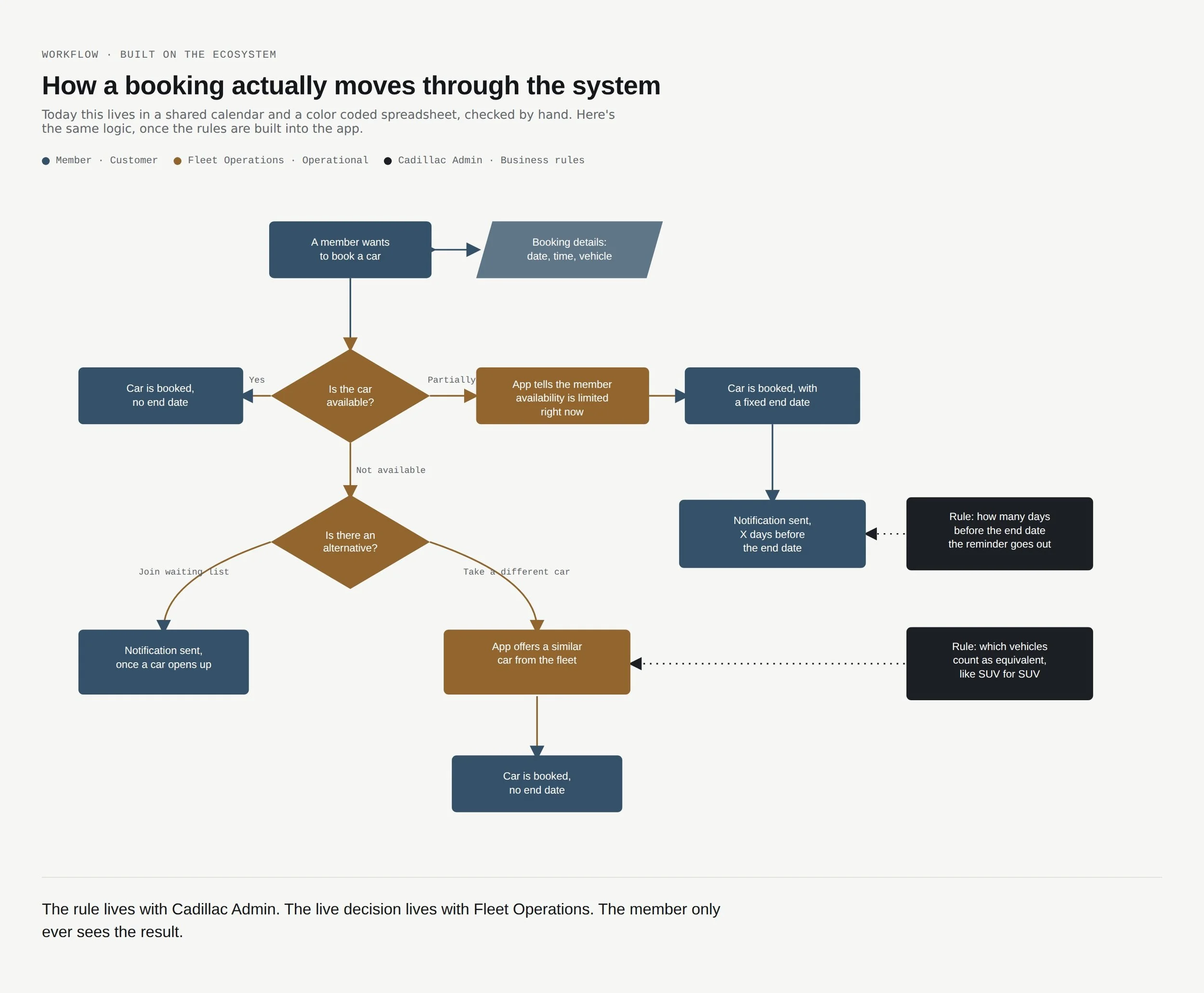
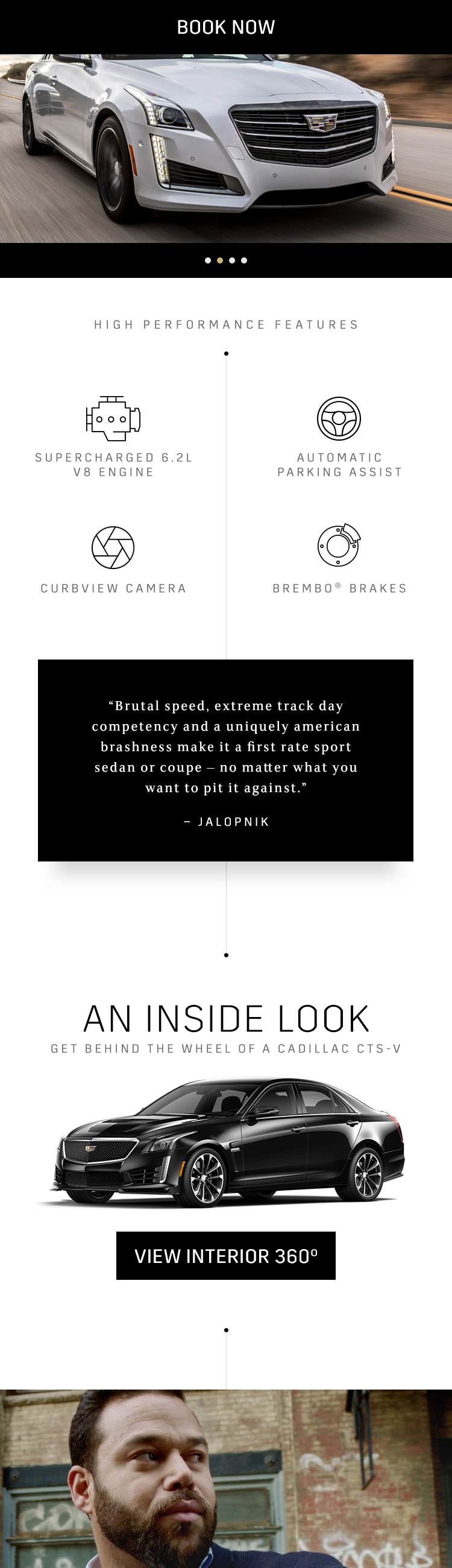
Designed the booking experience and reservation architecture that allowed members to browse available vehicles, manage reservations, join waitlists, and coordinate vehicle exchanges.
Simplified complex reservation rules into intuitive user flows while supporting availability constraints, scheduling requirements, and concierge delivery services.
Action 2: Operational Experience Design
Designed workflows supporting fleet managers and business administrators, ensuring vehicle availability, scheduling, maintenance windows, customer management, and reporting could be coordinated through a unified system.
Focused on reducing operational complexity while preserving a premium customer experience.
Result:
Delivered a comprehensive service ecosystem supporting customers, fleet operators, and Cadillac administrators.
Established scalable reservation and vehicle management patterns for a subscription-based mobility service.
Simplified complex operational workflows into intuitive digital experiences.
Created a foundation for future expansion across additional European markets.
Demonstrated how UX design can align customer experience with business and operational requirements.
Reflection/ What I Learned
Great service experiences require equal attention to customer and operational needs.
Designing for multiple user groups often reveals hidden dependencies that shape the overall experience.
Luxury experiences are defined as much by operational reliability as by visual design.
Service design can create alignment between business goals, operational constraints, and customer expectations.