ALERT LIFE SCIENCES
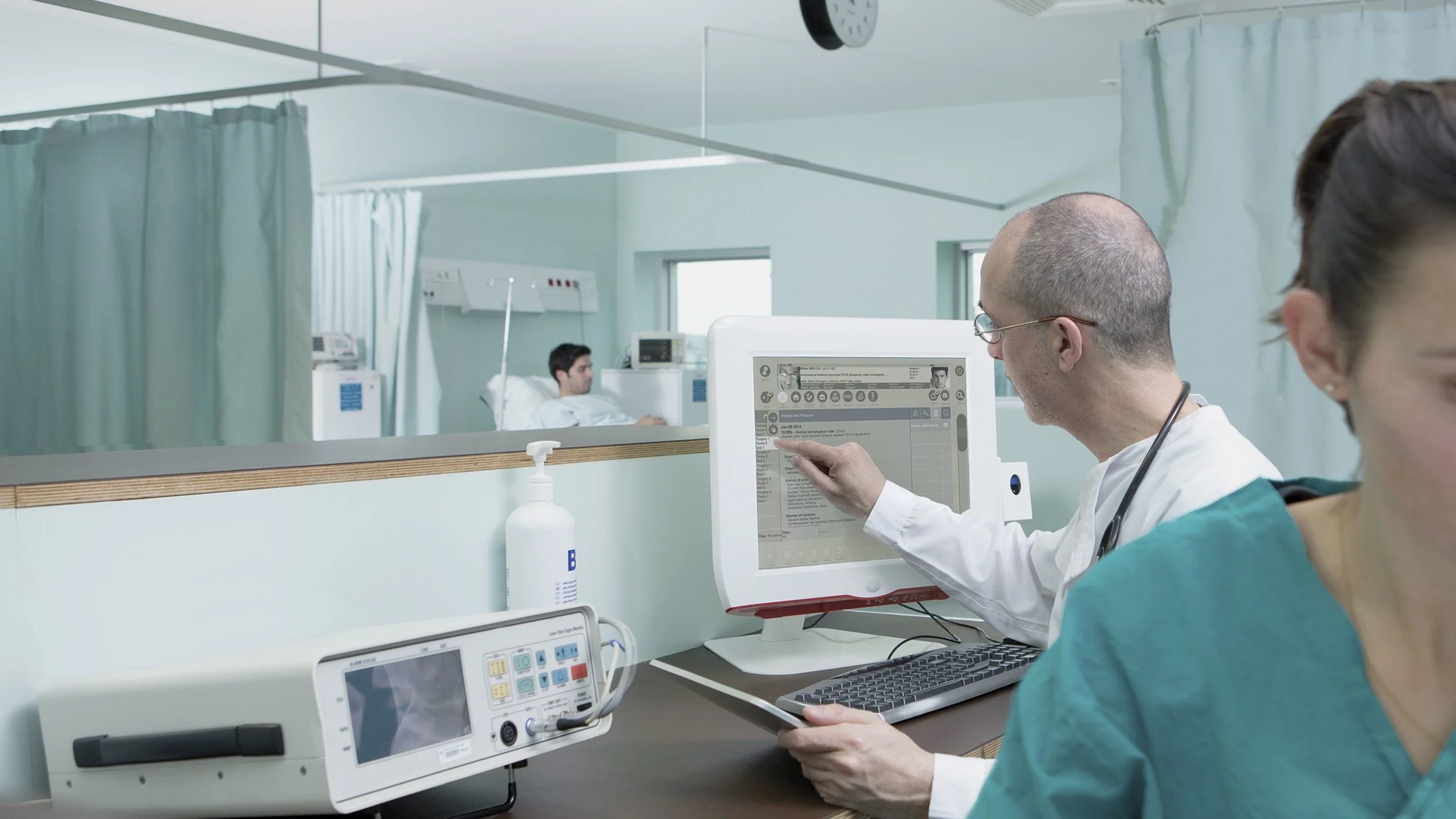
Alert Life Sciences develops medical monitoring solutions used by healthcare professionals to track patient conditions and support clinical decision-making. However, dense medical interfaces containing large amounts of complex physiological data made it difficult for clinicians to quickly interpret patient status and take meaningful action, particularly in high-pressure clinical environments where every second matters.
Role: GUI Designer
Challenge: Design monitoring and decision-support interfaces that help healthcare professionals interpret complex patient data in high-stakes environments while reducing cognitive load and supporting clinical workflows.
Year: 2006-2012
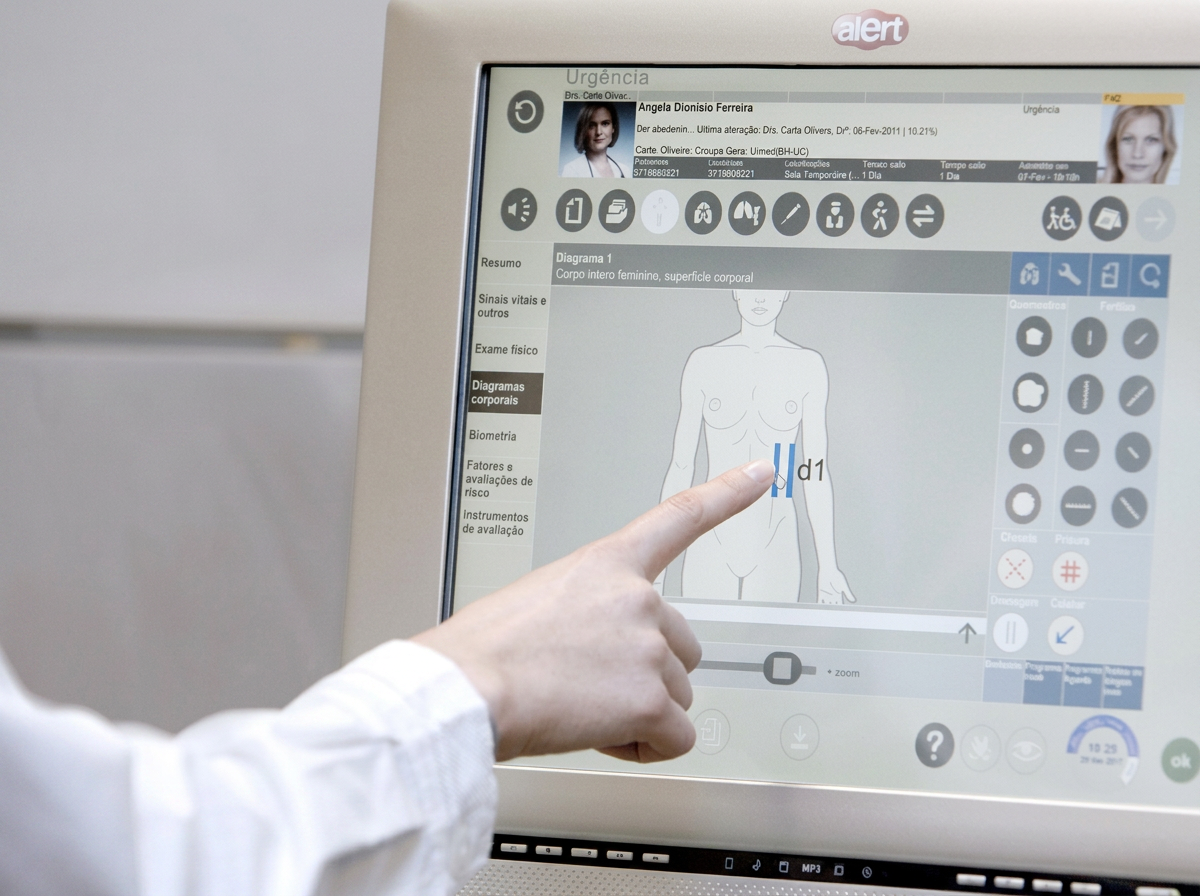
Healthcare professionals rely on continuous streams of physiological data to assess patient conditions and make treatment decisions. However, medical interfaces often contain large amounts of information that can be difficult to interpret quickly, particularly in fast-paced clinical environments.
The opportunity was to create interfaces that improved clarity, reduced cognitive load, and helped clinicians focus on the information that mattered most.
Situation:
Design intuitive monitoring experiences that help healthcare professionals:
Understand patient status quickly
Identify critical events
Navigate large amounts of medical data
Make informed decisions with confidence
while meeting healthcare industry requirements and clinical workflows.
Task:
Constrains:
Complex medical terminology
Information-dense environments
High-stakes decision making
Regulatory considerations
Diverse clinical workflows
Need for rapid interpretation
Action 1: Understanding Clinical Workflows
Collaborated with subject matter experts to understand how healthcare professionals monitor patient status, interpret data, and respond to critical events.
Mapped information priorities and workflow requirements to identify opportunities for improved usability.
Action:
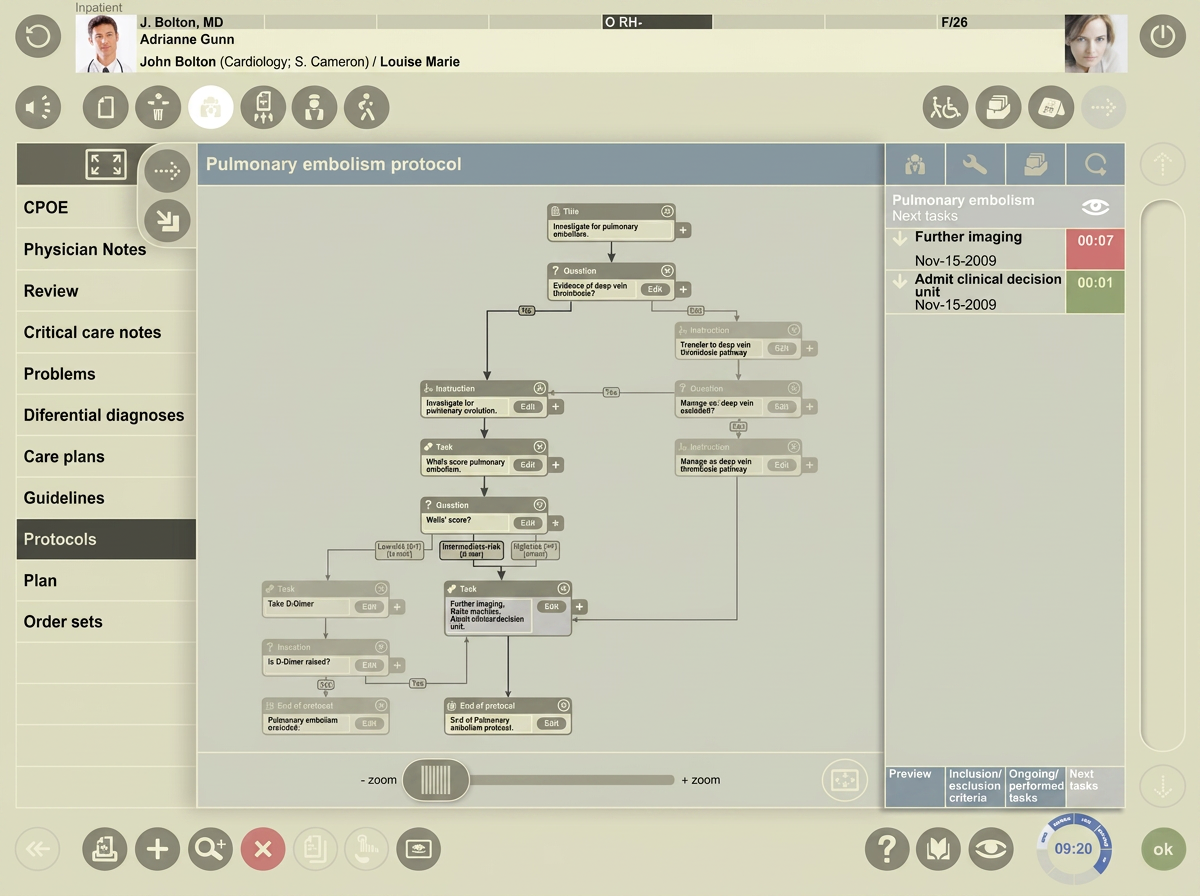
Action 2: Information Architecture & Clinical Visualization
Organized complex physiological data into clear visual hierarchies that helped clinicians identify trends, anomalies, and patient status at a glance.
Focused on reducing cognitive load while preserving access to detailed clinical information.
Action 3: Workflow Authoring & Decision Support
Designed and refined monitoring interfaces through iterative prototyping, balancing usability, information density, and clinical requirements.
Worked closely with stakeholders to ensure the final experience aligned with both healthcare workflows and technical constraints.
Results:
Reduced protocol navigation time by 40%, cutting the time clinicians needed to locate treatment pathways
Achieved 95% usability satisfaction score in clinical testing
Designed clinical monitoring experiences used by healthcare professionals in hospital environments
Reduced complexity by translating dense medical protocols into navigable digital workflows
Improved visibility of critical patient information and decision paths
Contributed to healthcare products supporting real-time clinical decision-making
Designing for healthcare requires balancing usability with clinical accuracy. In high-stakes environments, reducing cognitive load can directly impact decision quality. I learned that effective healthcare experiences emerge from close collaboration with clinicians and subject matter experts. Trust and clarity matter more than visual innovation when lives may depend on the outcome.