BOSCH
Role: Lead UX Designer
Challenge: Consolidate 30+ fragmented design guides into one unified framework
Year: 2017
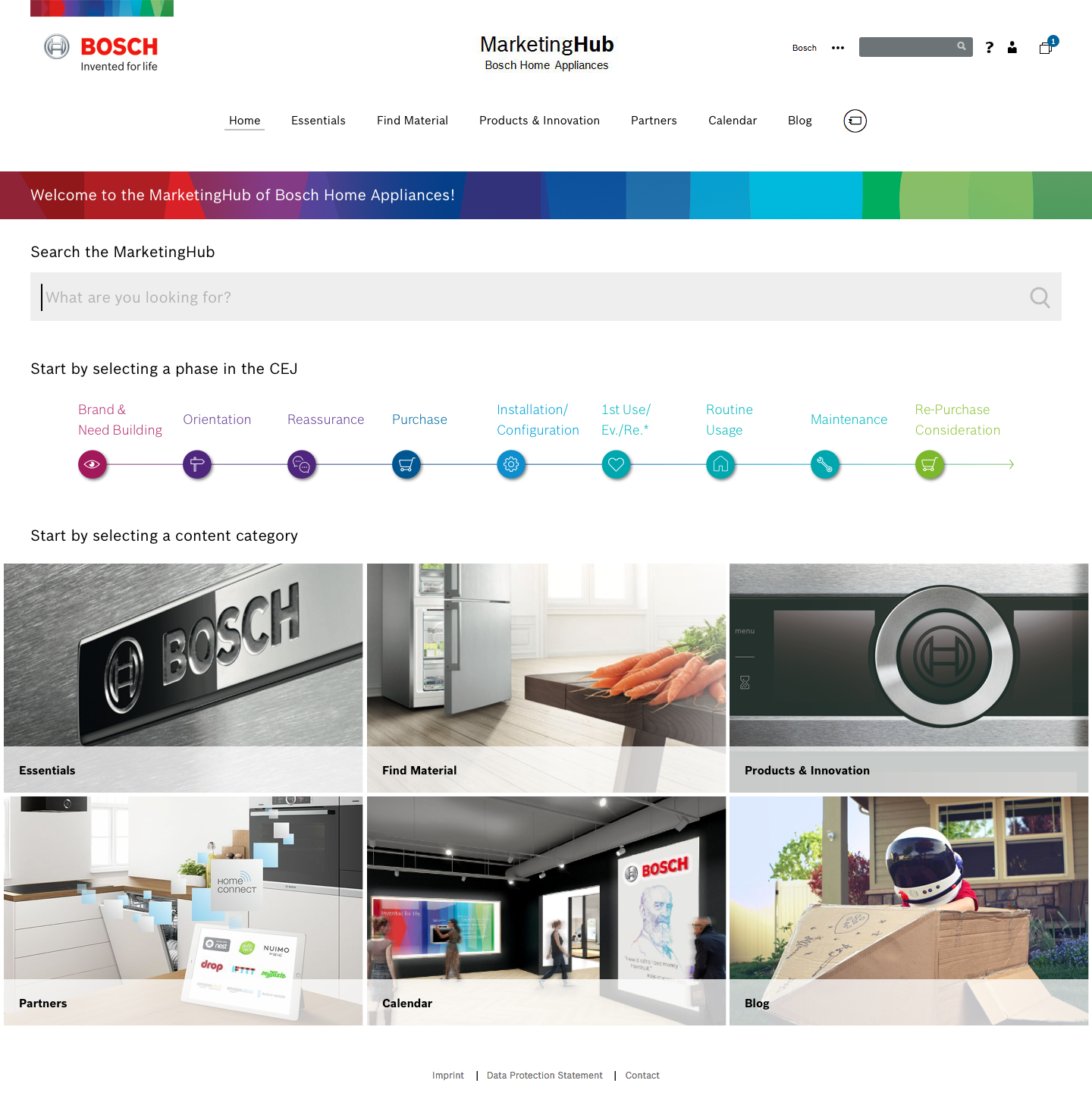
Bosch had evolved into a collection of powerful automotive and IoT products, but the experience struggled to scale. 30+ fragmented design guides, inconsistent interaction patterns, and growing complexity across 100+ teams made it difficult for users to navigate the product suite confidently and for designers to maintain brand consistency.
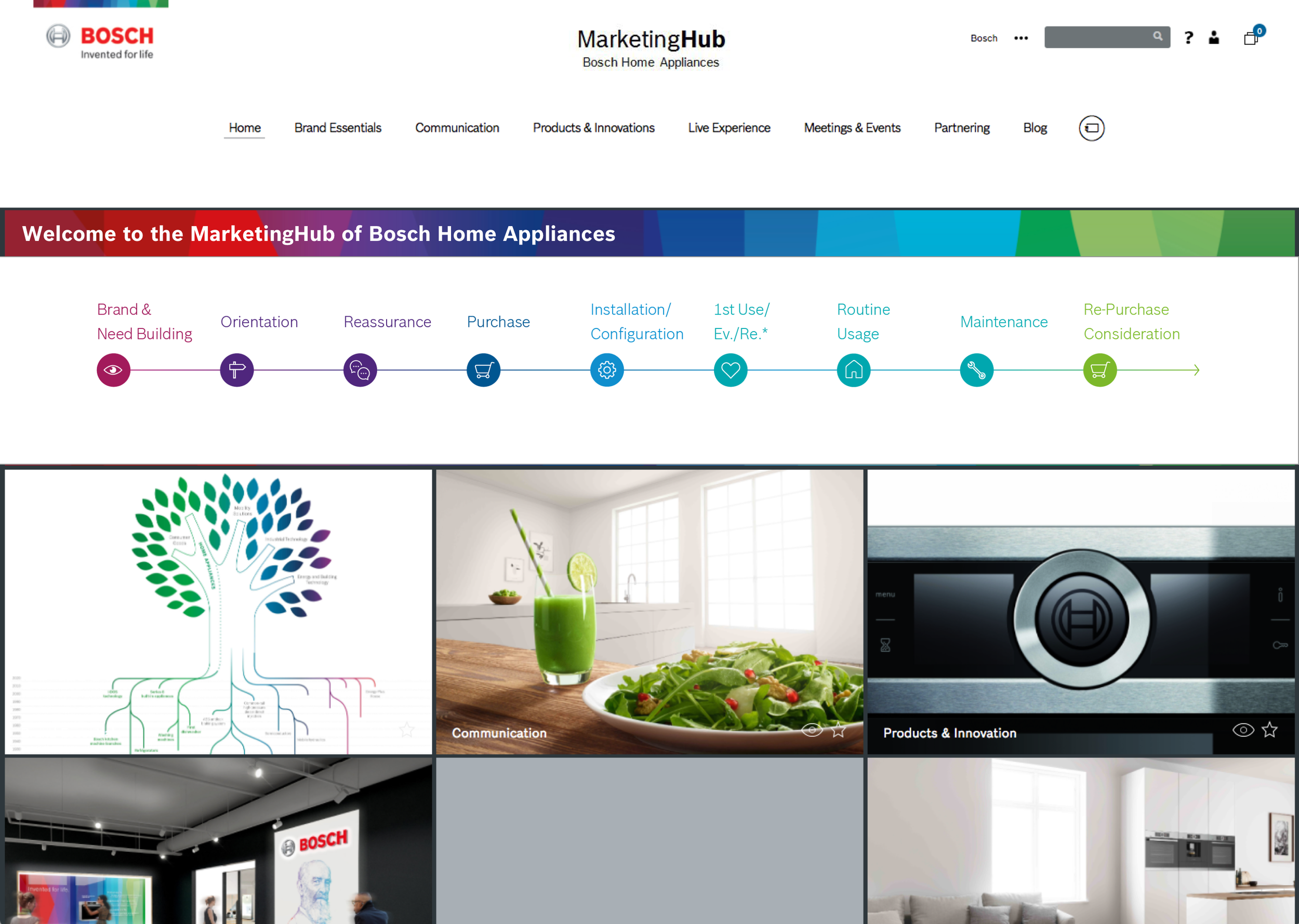
Bosch had evolved into a collection of powerful automotive and IoT products, but the experience struggled to scale. 30+ fragmented design guides, inconsistent interaction patterns, and growing complexity across 100+ teams made it difficult for users to navigate the product suite confidently and for designers to maintain brand consistency.
Situation:
Consolidate 30+ fragmented design guides into one unified framework that would enable 100+ teams to ship faster, maintain cohesive visual language, and create a scalable foundation for future product innovation.
Task:
Audited all 30+ existing guides and documented core patterns across the organization
Built a unified component library and design system (B.E.A.T.) in Figma with clear governance and standards
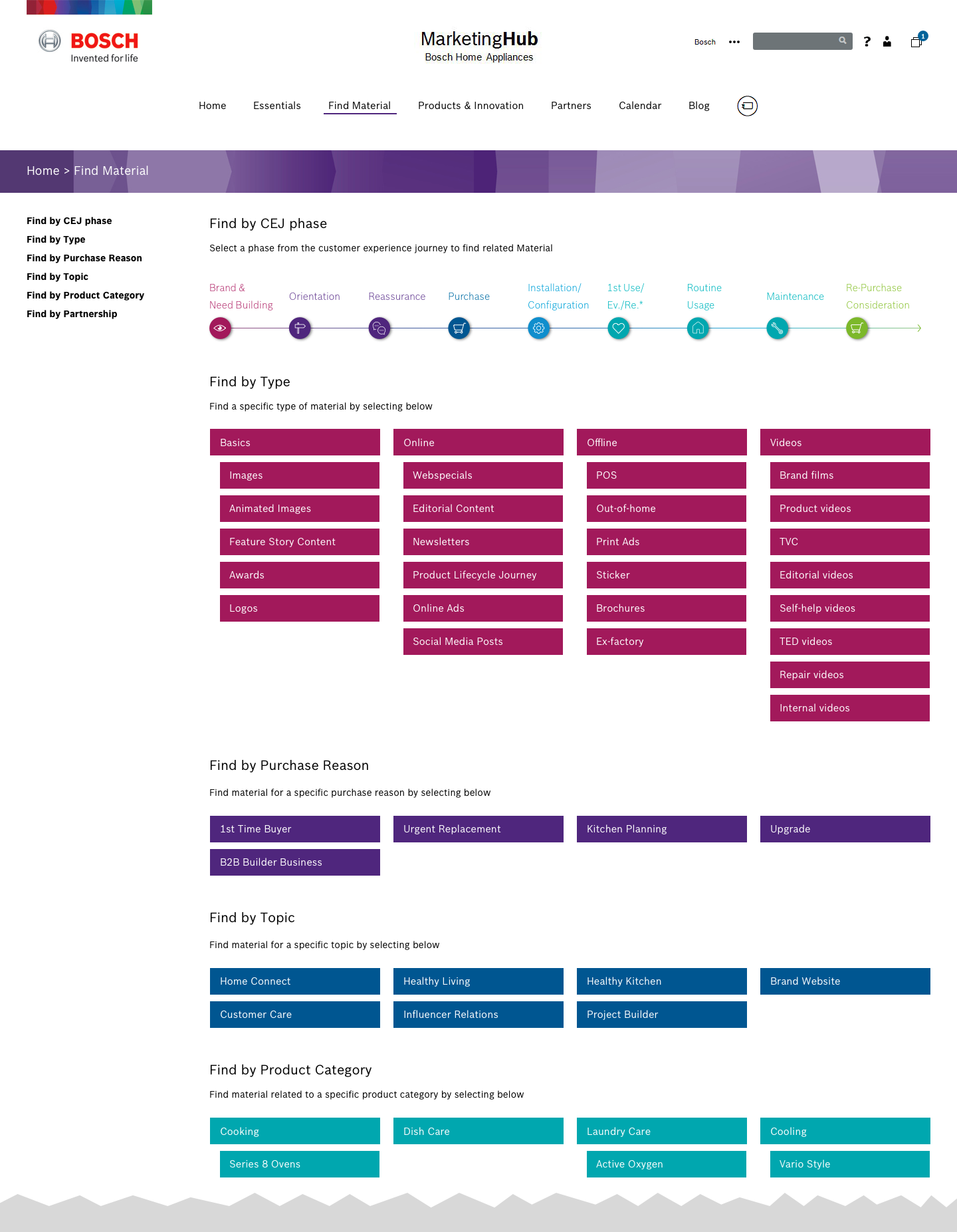
Designed high-fidelity product pages applying the new system to demonstrate visual cohesion and consistency
Established design principles and quality standards with design leadership
Created implementation guides and cross-team collaboration sessions to drive adoption
Mentored junior designers on systems thinking and component architecture
Action:
Unified 30+ fragmented guides into one system adopted across 100+ teams
Reduced design-to-engineering handoff time by 30% through standardized documentation
Accelerated prototyping and iteration cycles, enabling teams to ship faster
Established a scalable, cohesive visual language across all Bosch products
Created organizational foundation for design maturity and consistency
Results:

Systems-level design requires organizational alignment, not just pixel-perfect components. The most critical work was earning buy-in from distributed teams and proving that constraints enable speed, not limit it. I learned that mentorship and clear governance are as important as the system itself.